
Every towel counted, every wash recorded
Today
What gets in the way
Linen never stops moving: from rooms and wards to the laundry, through washing and pressing, and back again, often by way of an outside laundry. Counting it by hand at each handover is slow and unreliable, so disputes over missing items go unresolved and replacements are bought without knowing where the old stock went.
With RFID, each piece carries a tag, sewn in or attached, that survives the wash. A reader counts a whole trolley or bag without unpacking it, each item builds its own wash history, and reports show losses by department or by client.
Handover counts by hand
Sorting and counting soiled linen piece by piece is slow and unpleasant, and both sides still dispute the result.
Linen that disappears
Towels and uniforms go missing between floors, the laundry and outside contractors, and nobody can say where.
No idea how old an item is
Without a wash history, you cannot tell which items are near the end of their life or plan replacements.
How it works
From tag to report
- 1
Tag the linen
Sew or attach a UHF RFID laundry tag to each towel, sheet, tablecloth or uniform and register it.
- 2
Read at each handover
Count bags and trolleys with a handheld, desktop or fixed reader as linen leaves for washing and comes back.
- 3
Build the wash history
Each read adds to the item's record, showing how many cycles it has been through and where it was last seen.
- 4
Review the losses
Reports show missing items by department or client, so you can follow up with the right team.
What you get
Built for the people who use it
Washable UHF tags
Laundry tags with a fabric base and a steel-wire antenna, small enough to sit in a hem.
Wash cycle history
Track how many times each piece has been washed so you can plan replacements.
Whole-trolley counts
Read every tagged piece in a trolley or bag at once, without unpacking it.
Fixed and desktop readers
Readers at the laundry door or sorting counter record linen going out and coming back.
Losses by department or client
See which floor, outlet or customer is short, and by how many pieces.
One number at handover
Both sides work from the same RFID read, so each handover has a single agreed count.
Hardware
Products for Laundry
 Chainway
UHF RFID handheld reader
Rugged Android handheld with a built-in UHF RFID reader and pistol grip, for stock counts, asset audits and linen tracking.
 Chainway
Desktop UHF RFID reader
Flat desktop UHF RFID reader with short read range, for encoding and checking tags at a counter or desk.

Integrated UHF RFID reader
All-in-one UHF RFID reader with a built-in antenna, for gates, doorways, vehicle lanes and fixed read points.

Fixed UHF RFID reader
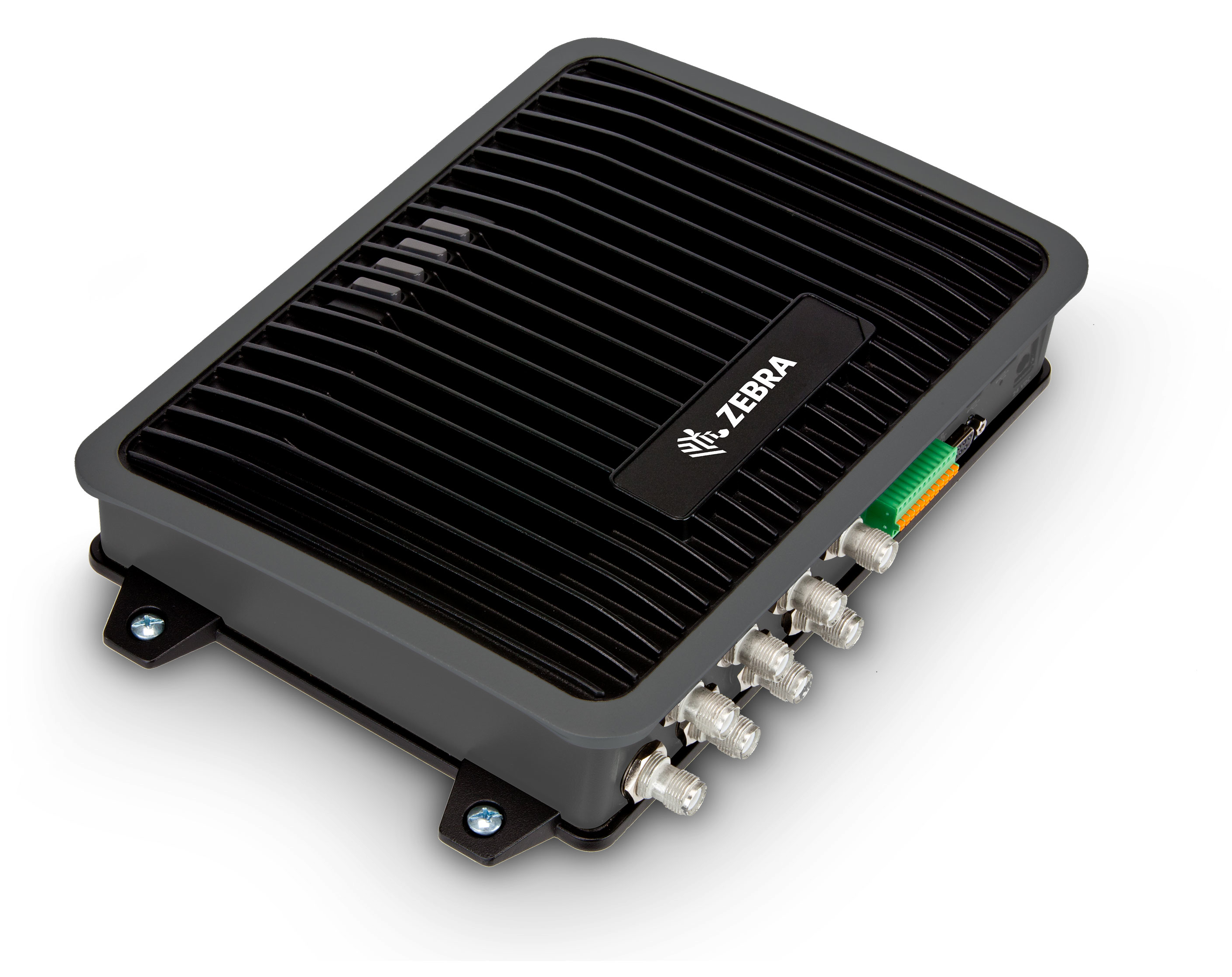
Four-port fixed UHF RFID reader that drives external antennas at doors, docks, conveyors and laundry lines.

UHF RFID laundry tag
Flexible fabric UHF RFID tag that is sewn into linen and uniforms to track every piece through washing and use.
Who uses it
- Hotels and resorts
- Hospitals and clinics
- Commercial laundries
- Uniform and workwear rental
- Gyms, spas and sports clubs
Questions about Laundry
Do RFID tags survive washing?
Yes. UHF laundry tags are made for repeated industrial washing. We help you choose the tag and the attachment method that suit your fabrics and your washing process.
Will guests or patients notice the tags?
Hardly. The tags are small and fabric-based, so they can be sewn into a hem or seam where they are barely visible.
We use an outside laundry. Does RFID still help?
Yes. Reading the linen when it leaves and when it returns gives you and the laundry the same count, item by item. Losses can be reported by department, and commercial laundries can report them by client.
Which readers do we need?
It depends on your volumes and layout. A handheld suits smaller operations and spot checks, a desktop reader works at a sorting counter, and fixed readers suit doors where linen passes in bulk. We supply, install and support all three from Amman.
Tell us what you need to track.
We reply within one working day with a recommendation and a price.